Physical Address
304 North Cardinal St.
Dorchester Center, MA 02124
Physical Address
304 North Cardinal St.
Dorchester Center, MA 02124

Reading Time: 5 minutes
The monsoon is at your doorstep.
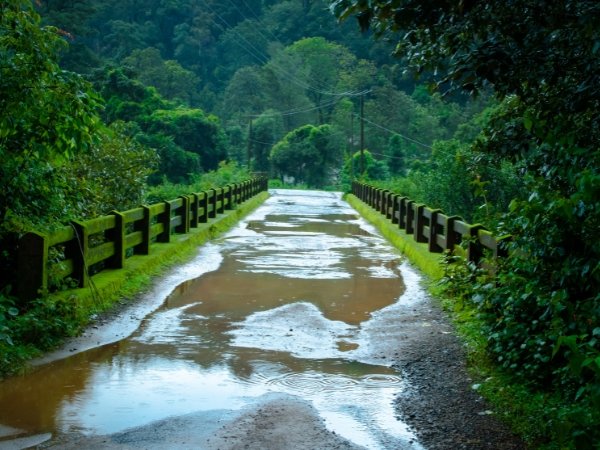
Kerala has already received the first showers. Maharashtra is next — IMD forecasts the rains reaching Navi Mumbai in the first week of June 2026. If you have lived here through even one monsoon season, you already know what that means — the air changes, the hills transform, the city exhales.
But here is the thing most people get wrong about monsoon. They wait for the rains and then spend it indoors watching Netflix.
Do not do that.
Monsoon in Navi Mumbai is meant to be lived outside. Here is exactly how.
There is a specific magic to being on a hillside when the first monsoon shower arrives. The smell of rain on dry earth — petrichor — is one of the most evocative scents in the world. On the Kharghar Hills, with the city spreading below you and the first heavy drops hitting the rock and soil, it becomes something you remember for years.
Why Kharghar is the best: Kharghar’s open mountain range gives you space. Real space. No crowds, no traffic, no buildings blocking the view. Just the hills, the first dark clouds rolling in from the west, the breeze picking up before the rain and the extraordinary sight of Navi Mumbai — planned, green, beautiful — laid out below you as the monsoon arrives.
On one side: Kharghar’s sectors, Central Park, the hillside greenery beginning to explode into deep emerald. On the other: on clear monsoon days, the entire Mumbai skyline visible across the creek.
You do not need to be an experienced trekker. The normal mountain range around Kharghar is accessible to anyone reasonably fit. Wear good shoes, carry water and just walk up. The first monsoon will find you.
Timing: Go when the clouds are building — late afternoon or early morning. The moment just before the rain breaks is as spectacular as the rain itself.
Alternatively — your own terrace. If climbing hills is not your plan this weekend, your building terrace works perfectly. The first monsoon over Navi Mumbai from a high terrace — watching the rain move across the creek, the city turning grey-green, the smell rising from every direction — is genuinely wonderful. Sometimes the best view is the one you already have.
This is the activity most people have never tried and immediately become obsessed with once they do.
Cycling in light monsoon rain is one of the most freeing physical experiences available to anyone in Navi Mumbai. The heat is gone. The road is quiet. The rain on your face as you ride is not uncomfortable — it is extraordinary.
Best cycling routes during monsoon:
The gold standard. Palm Beach Road runs parallel to Thane Creek — water on one side, mangroves on the other. In monsoon, the water level rises, the mangroves turn impossibly green and the morning mist sits low over the creek surface. Riding this route before 7 AM during the monsoon is a genuinely different experience from any other time of year.
Distance: 22 km one way (44 km return) Best time: 5:30 AM — before traffic and in the cool rain
Cycling through Kharghar’s sectors during light monsoon rain, with the green hills on either side and water streaming down the hillside paths, is the most scenic urban cycling experience in Navi Mumbai. The roads here are wide, relatively quiet on weekend mornings and the landscape during monsoon is extraordinary.
The road from Panvel towards Matheran during monsoon is on another level entirely. As you ride into the foothills, the vegetation gets denser, small waterfalls start appearing on the roadside and the temperature drops noticeably. You do not need to go all the way to Matheran — even 15-20 km on this road gives you a monsoon cycling experience that feels far removed from city life.
Note: Road conditions during heavy rain — check before setting out. Best during light to moderate rain, not during heavy downpour.
The road adjacent to NMIA is one of Navi Mumbai’s newest, widest and most well-maintained stretches. During early monsoon, with very light traffic, riding alongside the airport zone with rain clouds building over the open land is a completely unique experience. Wide roads, minimal traffic, and the visual drama of a modern airport against an incoming monsoon sky.
General monsoon cycling tips:
→ Carry a light waterproof jacket
   (not for rain — for the chill
   after getting wet)
→ Check tyres — wet roads need
   good grip
→ Ride slower than usual —
   road markings become slippery
→ Avoid riding in heavy downpour
→ Waterproof your phone
→ Lights are essential —
visibility drops in rainIf you have never run in monsoon rain, you are missing something.
Not jogging-in-drizzle. Actually running — properly — in warm monsoon rain. This is a completely different sensory experience from running in any other weather condition, and once you try it, dry-weather running feels slightly disappointing by comparison.
Why running in monsoon feels incredible:
The temperature. Summer running in Navi Mumbai — especially May — means 34-38°C heat, brutal humidity and a body temperature that climbs uncomfortably fast. The moment the monsoon arrives, that ceiling disappears. Running in 28-30°C with rain cooling you constantly means you can run longer, feel better doing it and recover faster. Your lungs feel the difference immediately.
The sensory experience. Rain on your face as you run. The sound of your feet on wet ground. The smell of fresh earth after months of dry heat. The city looking completely different — quieter, greener, more dramatic. Every sense is engaged simultaneously. Runners who chase personal records in other seasons often report their most enjoyable runs — if not their fastest — happen in light monsoon rain.
The roads and paths. Early morning monsoon runs in Navi Mumbai — particularly around Central Park Kharghar, Palm Beach Road and the Nerul-Belapur areas — are quiet in a way they simply are not at any other time. Rain clears the casual walkers and the road becomes yours.
The mental reset. There is something about the commitment of running in rain — the decision to go anyway, to not wait for perfect conditions — that carries over into the rest of your day. Runners universally report that monsoon runs feel more rewarding than equivalent dry-weather efforts.
Best running routes in Navi Mumbai during monsoon:
Central Park, Kharghar — The track here is excellent. Even during rain, the park surface drains well. The visual of running through a green park in monsoon rain with the hills visible in the background is genuinely beautiful.
Palm Beach Road — The widest, flattest option. Ideal for longer runs. The waterfront adds to the experience enormously.
Nerul Lake area — A quieter option with a natural feel. The lake in monsoon is stunning.
Practical tips for monsoon running:
→ Light-coloured or reflective kit
   (visibility is lower in rain)
→ Anti-chafing cream —
   wet clothes against skin for
   an hour causes problems
→ Technical fabric, not cotton —
   cotton becomes heavy when wet
→ Waterproof watch or phone case
→ Post-run: dry shoes immediately,
   stuff with newspaper overnight
→ Run on grass where possible —
   wet concrete is harder on joints
→ Best time: 6-8 AM during light rain
   (avoid heavy downpour for safety)
The most important tip: Stop waiting for the rain to stop before you go running. Go in the rain. That is the whole point.
This one is not optional. This is mandatory.
There is a cultural, almost spiritual relationship between monsoon weather and street food in Maharashtra — and nowhere does this better than Panvel’s street food scene.
The logic is simple and completely correct: warm, spiced potato filling inside crispy batter, inside fresh bread, with fiery green chutney and garlic chutney — eaten standing outside while it rains — is one of the great food experiences of the Indian subcontinent. It costs ₹15-25. No restaurant can replicate it.
Why Panvel specifically: Panvel’s old town area and its surroundings have some of the most authentic, longest-running street food stalls in the Navi Mumbai region. This is not about Instagram-worthy food. This is about the real thing — run by families who have been doing this for decades, who know exactly how hot the oil should be and how thick the bread should be for monsoon weather.
The combination:
Wada Pav: ₹15-25
Cutting Chai: ₹10-15
Rain: Free
Total experience: Priceless
What to order:
When to go: The best Panvel street food experience during monsoon is mid-morning (10-11 AM) or late afternoon (4-6 PM). These are the hours when the stalls are freshest and the weather most dramatic.
The etiquette: Stand and eat. Do not ask for a plate. Use the bread as your utensil. Eat it in three bites maximum. Order another one immediately.
Put it all together:
SATURDAY:
5:30 AM → Palm Beach Road cycle ride
          (before the rain gets heavy)
8:00 AM → Breakfast in Panvel
          Wada pav + cutting chai
10:00 AM → Rest
4:30 PM → Kharghar Hills —
          watch the evening clouds
6:00 PM → Terrace or rooftop —
          first evening shower

SUNDAY:
6:00 AM → Monsoon run
          Central Park or Palm Beach
8:30 AM → Bhajiya + chai somewhere
          in Panvel or Kharghar
Afternoon → Rest, read, watch the rain
Evening → Panvel-Matheran Road drive/cycleThe first monsoon shower of the year in Navi Mumbai is something to witness properly.
Not through a window. Not on your phone’s weather app. Outside — on a hill, on a road, on a terrace — feeling the temperature drop, watching the sky change colour, hearing the rain hit the leaves before it hits you.
This city was built by planners. But it is made magical by its monsoon.
Go outside. The rain is coming.
Monsoon expected in Navi Mumbai: First week of June 2026 IMD Forecast Updated: May 26, 2026