Physical Address:
Navi Mumbai, Maharashtra, India
Contact@navimumbaihub.com
Physical Address:
Navi Mumbai, Maharashtra, India
Contact@navimumbaihub.com

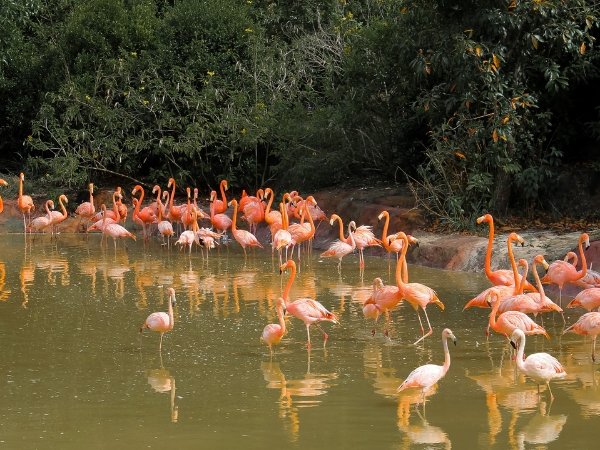
I visited on a January morning — best viewing is before 7AM
Every year, something magical happens in Navi Mumbai. Thousands of migratory flamingos — travelling all the way from Iran, Afghanistan, Pakistan and the salt marshes of Gujarat — descend on the wetlands, creeks and mudflats of Navi Mumbai, turning the landscape into a breathtaking sea of pink.
This is one of nature’s most spectacular urban wildlife events. And it happens right here, in your city.
If you have never witnessed it, this guide tells you exactly where to go, when to go and how to photograph it perfectly. If you have seen it before, there are spots here you probably do not know about.
Season: November to May Peak months: January to April Best months for photography: February and March (largest numbers, most vibrant pink colour) Departure: Flamingos begin leaving by end of May/June as temperatures rise and monsoon approaches
The flamingos that visit Navi Mumbai are primarily Greater Flamingos with smaller numbers of Lesser Flamingos. They come to feed on the algae and small crustaceans in the shallow mudflats and wetlands.
Why it’s the best for most people: The wetlands near the NRI Complex in Nerul are where thousands of flamingos have been spotted in massive flocks this season — with viral videos and photos circulating across social media showing the sheer scale of the spectacle. This is the most accessible spot, visible directly from the road with no permits or boat rides required.
How to reach:
Best timing: 5:30 AM to 9:00 AM and 4:30 PM to 6:30 PM
Visible from road: Sunrise to Sunset
Entry – Free
Why it’s special: The official Thane Creek Flamingo Sanctuary near Airoli is spread across 1,690 hectares of creek and mangrove forest. It offers regulated boat safaris, a flamingo museum, a bamboo bridge through mangroves and the most up-close flamingo viewing experience available.
Facilities:
How to reach:
Timings: Open 9 AM to 6 PM Entry: Nominal fee (verify current rates on arrival)
Boat safari note: Boat rides are extremely popular and fill up fast. Arrive early or contact in advance. The Tern Travellers (theterntravellers.com) organise flamingo boat safaris here.
Why photographers love it: Karave Flamingo Point is a favourite among serious bird photographers and birdwatchers for its panoramic wetland views and easy accessibility. Large flocks are frequently seen feeding near the mudflats with excellent open sightlines.
How to reach: Near Karave village area, Navi Mumbai Best approached by personal vehicle — ask locals for “Karave Flamingo Point”
Best timing: Early morning, 6 AM to 9 AM
Entry – Free
Why it’s great for a quick visit: DPS Flamingo Lake in Nerul-Seawoods area is a smaller water body alongside Palm Beach Road where flamingos regularly gather during the season. Completely accessible — just park and watch from the road. No trekking, no boat, no permits.
How to reach: Along Palm Beach Road between Seawoods and Belapur Visible directly from the road — you will spot the pink birds from your car
Best timing: Early morning or late afternoon
Entry – Free
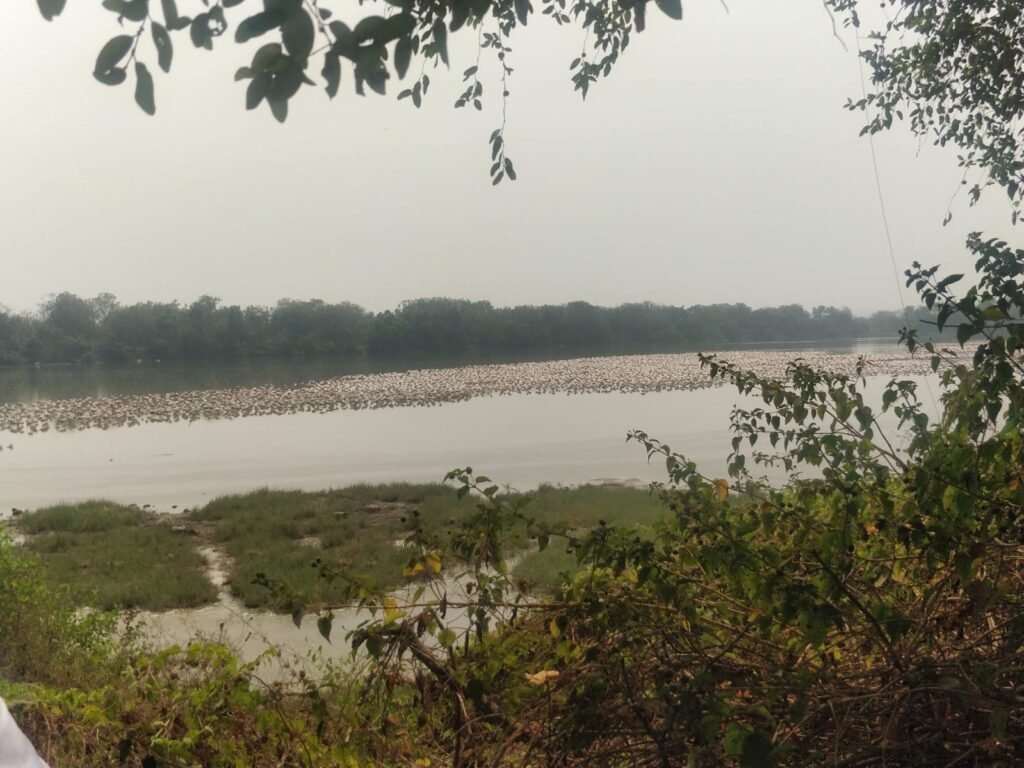
Why it works: Multiple small wetland pockets along Palm Beach Road between Seawoods and Belapur host flamingos during peak season. You can spot them while driving or cycling along this stretch. Simple, easy and surprisingly impressive.
Best timing: Early morning on any winter-to-spring day
Entry – Free
Large flocks are frequently seen feeding near the mudflats at TS Chanakya Birding Point. Popular with regular birdwatchers. Combine with a visit to nearby attractions.
Entry – Free
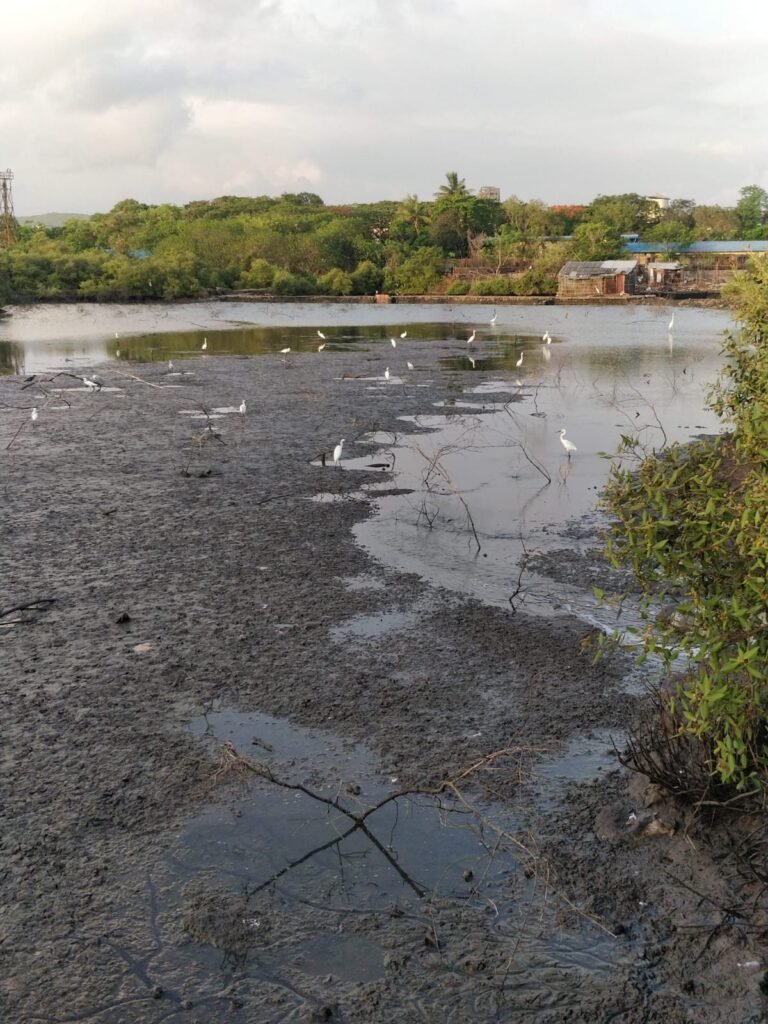
BEST TIMES:
Early Morning: 6 AM to 10 AM
→ Birds most active
→ Soft golden light for photography
→ Weather pleasant
→ Least crowded
Late Afternoon: 4:30 PM to 6:30 PM
→ Second best window
→ Good light for photos
→ Birds active again after midday rest
AVOID:
10 AM to 4 PM
→ Harsh light for photography & Heatwave
→ Birds less active in heat
→ Most crowded
Tide timing tip: The best viewing is around high tide — approximately 2 hours before or after high tide. The birds come closer to the mudflats to feed as water slowly retreats. Check tide timings for Mumbai/Navi Mumbai before you go — easily available on tide timing apps and websites.
This is the section most guides skip. Here is how to actually get great shots:
For smartphone photographers:
For DSLR/Mirrorless photographers:
These wetlands are sensitive habitats. The flamingos return every year only because these areas remain undisturbed. Responsible visiting ensures future generations can witness this spectacle too.
Every year, Greater and Lesser Flamingos travel from as far as Iran, Afghanistan and the salt marshes of Gujarat to winter in Mumbai and Navi Mumbai. They travel along the Central Asian Flyway — one of the world’s major migratory bird routes.
They choose Navi Mumbai’s wetlands for the shallow water, abundant algae and small crustaceans that provide ideal feeding conditions. The mangroves offer shelter and the relative quiet of these wetland pockets suits their needs.
The irony is not lost on anyone — thousands of pink flamingos choosing to winter in one of India’s most planned and rapidly urbanising cities. It is Navi Mumbai’s most beautiful contradiction.
ENTRY FEES TABLE:
NRI Wetlands → Free
Thane Creek Sanctuary → ₹50 approx
Karave Flamingo Point → Free
DPS Flamingo Lake → Free
Q1. Are flamingos still visible in May 2026?
May marks the end of the flamingo season as they prepare to migrate back. Numbers are reducing but sightings are still possible, especially at Thane Creek Flamingo Sanctuary and NRI Wetlands. Go soon — this season is nearly over.
Q2. Do I need any permission to watch flamingos at NRI Wetlands?
No — NRI Wetlands are accessible from public roads without any permit. Thane Creek Flamingo Sanctuary requires a nominal entry fee.
Q3. How far are the flamingos from the viewing areas?
At NRI Wetlands, flamingos are sometimes visible very close to the road. At most spots, they are 50-200 metres away — binoculars or a zoom lens significantly improve the experience.
Q4. Is the flamingo sanctuary open on weekends?
Yes — Thane Creek Flamingo Sanctuary is open daily from 9 AM to 6 PM. Weekends are busier. Arrive early for boat safaris.
Q5. Can I see flamingos from Seawoods?
Yes — DPS Flamingo Lake near Seawoods-Nerul and the NRI Wetlands in the same area are among the best viewing spots. Flamingos are visible from Palm Beach Road throughout the season.
Q6. What is the best month to see the most flamingos?
February and March offer the largest flocks with the most vibrant pink colouration. January is also excellent.
Navi Mumbai is one of the few cities in the world where you can watch thousands of wild flamingos in their natural habitat, then drive 20 minutes to a world-class mall for brunch.
That is not a coincidence — it is what makes this city extraordinary.
Go see the flamingos while they are still here this season. And when they leave in May, mark your calendar for November — because they always come back.
Last Updated: June 2026