Physical Address:
Navi Mumbai, Maharashtra, India
Contact@navimumbaihub.com
Physical Address:
Navi Mumbai, Maharashtra, India
Contact@navimumbaihub.com

Last Updated: June 23, 2026 — The southwest monsoon has reached Navi Mumbai. IMD has a yellow alert running through June 24. We’re updating this page live as conditions develop.
After one of the driest Junes in over a decade, the monsoon has arrived in Navi Mumbai — and you can feel the relief in the air. The first proper showers swept across Panvel, Kharghar, Vashi and the Palm Beach corridor on June 22, breaking weeks of sticky, oppressive heat. By the morning of June 23, the India Meteorological Department was set to officially declare the southwest monsoon over the Mumbai region, with a yellow alert in place through June 24 for thunderstorms, lightning and gusty winds of 30–40 kmph.
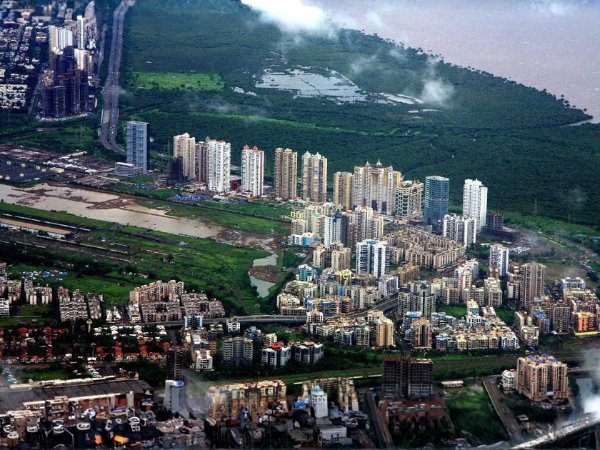
From my window in Kharghar, the change was almost theatrical — grey clouds rolling in from the Arabian Sea over the Kharghar hills, then the first heavy drops hitting the dust and releasing that unmistakable petrichor smell every Navi Mumbaikar has been waiting for. The wait this year was unusually long. The Navi Mumbai monsoon 2026 onset is more than 12 days behind the normal date, and for most of June the city baked under clear skies while reservoirs ran low.
If you searched “when will monsoon arrive in Navi Mumbai 2026” any time this month, the answer is finally here: it’s raining, and the season has begun.
The southwest monsoon actually reached India early — it covered Kerala and much of southwest India by the second week of June. Then it stalled just short of Mumbai. Meteorologists pointed to a mix of local and global factors, and the result was stark: the country ran a roughly 38% rainfall deficit for June, with Mumbai sitting dry while the clouds hovered tantalisingly close along the Konkan coast.
Two things were working against an early Mumbai onset:
The bigger headline for the season: IMD has forecast 2026 rainfall at around 90% of the Long Period Average, which puts it in the “below normal” category — the first below-normal forecast in a couple of years. That doesn’t mean drought, but it does mean we should expect a season of moderate, uneven rain rather than relentless downpours.
Here’s the part that matters for your daily plans. According to the latest forecasts, Navi Mumbai is not expected to see the classic three-digit onset deluge right away. Instead, the pattern for the coming days looks like:
For once, the “below normal” tag has a silver lining for city-dwellers: extremely heavy rain is what triggers the flash floods, waterlogging and traffic chaos we all dread. A steadier, moderate monsoon is far kinder to Navi Mumbai’s roads, low-lying nodes and daily commuters. The flip side — and the honest caveat — is that the El Niño influence is expected to strengthen through July and August, so the real test of the season’s totals is still ahead of us.
Verified-fact note: Monsoon onset timing and alerts change daily during this period. For the latest official status, always cross-check the IMD Mumbai bulletin — we update this page as new alerts are issued.
The first heavy spells of every monsoon expose the same weak points across the city. If you’re commuting over the next few days, keep an eye on the usual low-lying stretches and underpasses that tend to collect water fast, and give yourself extra buffer time on the highways.
If your route takes you across the Atal Setu (Mumbai Trans Harbour Link), expect reduced speed limits and gusty crosswinds during heavy showers — the open sea stretch catches the wind hard, so ease off the accelerator and keep both hands on the wheel. Local commuters using the Sion–Panvel Highway and the internal node roads in Vashi, Nerul and Kharghar should plan for slower traffic during peak downpours.
A few practical habits that have served me well over the years here: keep a compact umbrella and a dry bag in your two-wheeler, screenshot your destination map before you leave (network can drop in heavy rain), and avoid the tempting “shortcut” lanes that flood first.
Now for the fun part — because monsoon in Navi Mumbai isn’t just commute headaches, it’s genuinely one of the most beautiful times to live here. Within a few good spells, the brown hills of Kharghar turn a lush, almost unreal green, and the seasonal waterfalls come back to life.
The star of the show is Pandavkada Falls in Kharghar, which only truly flows during the monsoon. After a dry June, the first sustained rain is exactly what wakes it up — though always check whether access is officially open, as authorities restrict entry when the flow gets dangerous. Central Park in Kharghar, the hill trails behind Sector 12, and the Palm Beach Road greenbelt all transform beautifully once the rain settles in.
If you’re looking for ideas on how to make the most of the season, our guide on the best ways to enjoy the monsoon in Navi Mumbai covers everything from rainy-day cafés to scenic drives.
One bittersweet note for nature lovers: the arrival of the monsoon also marks the end of flamingo season. The flocks that gather along the wetlands begin their migration out as the rains set in, so if you haven’t seen them yet, the window is closing — our Navi Mumbai flamingo guide explains the timing.
This rain is about much more than cooler weather. The prolonged dry spell pushed Mumbai’s lake levels to critically low marks, forcing water cuts and restrictions across the region, and Navi Mumbai’s own supply — anchored by the Morbe Dam — felt the pressure too. Every good spell now is replenishment that the entire region badly needs.
A below-normal seasonal forecast means we shouldn’t get complacent: water-wise habits that many households adopted during the dry weeks are worth keeping through July. But the immediate relief is real — the catchments are finally getting fed, and that eases the most urgent concern of the past month.
For the city’s running and cycling community, the monsoon is a whole new training season. The early-morning Palm Beach Road rides feel completely different in the rain — cooler, quieter, and far more scenic, but also more demanding on grip and visibility.
The Kharghar Daud Adda running group keeps its Sunday spirit alive through the wet months, and there’s a special camaraderie to showing up for a run when the skies open up. A few monsoon-specific reminders for runners and cyclists: switch to shoes with better tread, slow down on the painted road markings and metal expansion joints (they get treacherously slippery), use lights and reflective gear because visibility drops fast, and respect the wind on exposed stretches like the seafront and the bridges.
If you’ve been waiting all summer to get back outdoors in cooler air, this is your moment — just ride and run smart.
📢 Live Update — July 2, 2026: Heavy overnight rain on July 1 caused waterlogging across parts of Navi Mumbai. In Kharghar, near Central Park. In Nerul, a snapped overhead wire between Nerul and Vashi suspended Harbour Line trains from Panvel and Belapur toward CST, and a live wire on a waterlogged road near LP Bridge caused a minor electric shock incident to college going student. Sanpada’s low-lying underpass stretch — a known monsoon trouble spot. We’ll keep this updated as the season progresses.
Has the monsoon arrived in Navi Mumbai in 2026?
Yes. The first significant monsoon rain reached Navi Mumbai and the wider Mumbai region on June 22, 2026, and IMD was set to declare the southwest monsoon officially over Mumbai around June 23, after a delay of more than 12 days.
Why was the 2026 monsoon so late in Mumbai?
The monsoon advanced early over southern India but stalled before Mumbai due to El Niño conditions and a slow, broken advance, leaving June with a large rainfall deficit before the late-June revival.
Will it rain heavily in Navi Mumbai now?
Forecasts suggest moderate, fairly consistent rain with occasional heavy showers and isolated intense spells, rather than a classic onset deluge — with a yellow alert in place through June 24.
Is the 2026 monsoon going to be a good one?
IMD has forecast the season at around 90% of the long-period average — “below normal” but not a drought. El Niño’s influence is expected to be felt more in July and August, so seasonal totals remain uncertain.
Where can I see the monsoon at its best in Navi Mumbai?
Pandavkada Falls in Kharghar, Central Park, the Kharghar hill trails and the Palm Beach Road greenbelt are all spectacular once the rain settles in — just check for any official access restrictions at the waterfalls.
Stay updated: We’re tracking the 2026 monsoon live for Navi Mumbai.
Read Next: The Best Ways to Enjoy the Monsoon in Navi Mumbai · Pandavkada Falls, Kharghar — Complete Guide
Explore More NM: Atal Setu Bridge Guide · Navi Mumbai Flamingo Guide · Kharghar Daud Adda Running Group