Physical Address:
Navi Mumbai, Maharashtra, India
Contact@navimumbaihub.com
Physical Address:
Navi Mumbai, Maharashtra, India
Contact@navimumbaihub.com

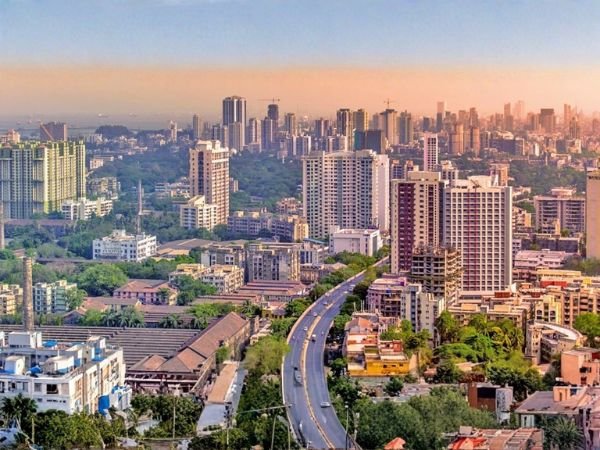
Choosing the best area to live in Navi Mumbai comes down to three questions: what’s your budget, what kind of daily life do you want, and which builders are worth trusting there? Navi Mumbai’s nodes range from premium, established city centres to fast-growing airport-belt suburbs — and the “best” one is genuinely different for a young professional, a growing family, and a long-term investor. This guide ranks Navi Mumbai’s best areas to live by budget and by lifestyle, with honest 2026 price ranges, the builders active in each, and the trade-offs that matter.
This is a resident’s overview, not investment advice — use it to shortlist, then verify current rates and RERA status locally before deciding.
Navi Mumbai is a planned city of distinct nodes, each with its own price level, character, and connectivity. Three big infrastructure forces are reshaping the map in 2026:
One honest caveat: all prices below are approximate 2026 ranges that vary with floor, building age, RERA/OC status, and metro proximity. Use them to compare areas, then confirm current numbers on a portal and with a local broker.
| Area | Approx. rate (per sq ft) | Known for |
|---|---|---|
| Vashi | ₹26,000+ | The CBD — APMC, Inorbit, top connectivity |
| Seawoods | ₹24,000–26,000 | Seafront, premium planning, metro access |
| Nerul | Premium band | Clean layout, professional appeal |
| Airoli / Ghansoli | ₹19,500–22,700 | IT/industrial proximity, rental demand |
| CBD Belapur | ~₹19,750 | Commercial core, government hub |
Builders & projects: Vashi anchors the premium end with launches like Godrej Bayview by Godrej Properties, Arihant Aleenta by Arihant Superstructures (large 3–7 BHK formats), and Gami Avant by Gami Group. In Airoli, Parth Lakefront (Sector 20) is a well-known green-surrounded development. These nodes attract national and established regional developers, which is part of what you pay for. See our Vashi area guide and Nerul & Seawoods guide.
Best for: buyers who want maturity, prestige, and resale stability, and can pay for it.
| Area | Approx. rate (per sq ft) | Known for |
|---|---|---|
| Kharghar | Mid–upper band (2 BHK ₹90L–1.2cr) | Best all-round livability, Central Park, hospitals |
| Ulwe | ₹14,500–16,600 | Fastest growth, airport proximity, new builds |
| Panvel | ₹13,350–15,000 | Gateway to NMIA, rail + expressway |
| Kopar Khairane | ₹17,000–19,000 | Family value, upcoming connectivity |
| Kamothe / Khanda Colony | Mid band | Quiet, settled, family-friendly |
Builders & projects: This is the busiest segment for launches. In Kharghar, TPV Vishwakarma, Arihant Clan Aalishan, Tricity Eros and Today Global Anandam are well-known; Moraj Prive offers ready possession. In Panvel, Hiranandani Fortune City (Hiranandani Developers) and Wadhwa Wise City (The Wadhwa Group, in the NAINA zone) are the headline townships, with CH Pride Stone near the station. Kopar Khairane has established projects such as Tirupati Heights (Sector 9). See the Kharghar area guide and Panvel area guide.
Best for: most first-time buyers and families — the sweet spot of comfort and upside.
| Area | Approx. rate (per sq ft) | Known for |
|---|---|---|
| Taloja | ₹7,500–10,800 | Metro Line 1, lowest entry, long-term play |
| Dronagiri | Affordable band | Airport-corridor upside, emerging |
| Kalamboli / Old Panvel | ₹11,650–11,800 | Established affordable pockets |
| Karanjade | Affordable band | Panvel-belt growth near NMIA |
| Upper Kharghar | ₹38L–83L (project range) | Kharghar address at a lower base |
Builders & projects: Arihant Superstructures is very active in Taloja with Arihant Aakarshan and Arihant 4 Anaika; Siddhivinayak Riddhima is a large Taloja development, and Haware Elinor sits in Kalamboli. In Upper Kharghar, Shreeji Ventures and Sai Proviso Atlantis (Proviso Group) offer newer stock at lower entry points.
Best for: patient buyers and early investors comfortable with a longer commute and an emerging-node trade.
Budget narrows the list; lifestyle picks the winner.
Across every node, the developer’s track record matters as much as the address:
| If you want… | Go with |
|---|---|
| Best all-round family living | Kharghar |
| Central, premium, established | Vashi / Nerul |
| Maximum growth + airport proximity | Ulwe |
| Infrastructure depth at a fair price | Panvel |
| Lowest entry, patient upside | Taloja / Dronagiri |
New to buying here? Start with our first-time home buyer’s guide to Navi Mumbai, which decodes all seven nodes and their builders step by step, and the Kharghar sectors comparison if Kharghar is on your shortlist.
Is Kharghar a good place to live?
For families, it’s arguably the best-rounded node in Navi Mumbai — mature social infrastructure, Central Park, good schools and hospitals, metro access, and plenty of green space. You pay a mid-to-upper price for that balance, but day-one livability is the strongest in the region.
Ulwe or Kharghar — which is better?
Different goals. Ulwe wins on appreciation potential and airport proximity from a lower base, but public transport is still thin. Kharghar wins on current livability, connectivity, and social infrastructure. Buy Ulwe for 3–5 year upside (ideally with a car); buy Kharghar to live well from day one.
Which area is best for investment in Navi Mumbai?
The airport belt — Ulwe, Panvel, and the Dronagiri/Karanjade corridor — has shown the sharpest appreciation, driven by NMIA and Atal Setu. Upper Kharghar offers a Kharghar address at a lower entry. Match the choice to your horizon and always verify RERA before committing.
What’s the cheapest place to buy in Navi Mumbai?
Taloja is among the most affordable established nodes (roughly ₹7,500–10,800 per sq ft), followed by Dronagiri, Kalamboli and Old Panvel. Lower entry comes with a longer commute and more long-term uncertainty.
Where should NRIs and first-time buyers start?
Read the first-time home buyer’s guide to Navi Mumbai first, shortlist two or three nodes by budget, then verify each project on MahaRERA before you book.