Physical Address:
Navi Mumbai, Maharashtra, India
Contact@navimumbaihub.com
Physical Address:
Navi Mumbai, Maharashtra, India
Contact@navimumbaihub.com

Reading Time: ~8 mins
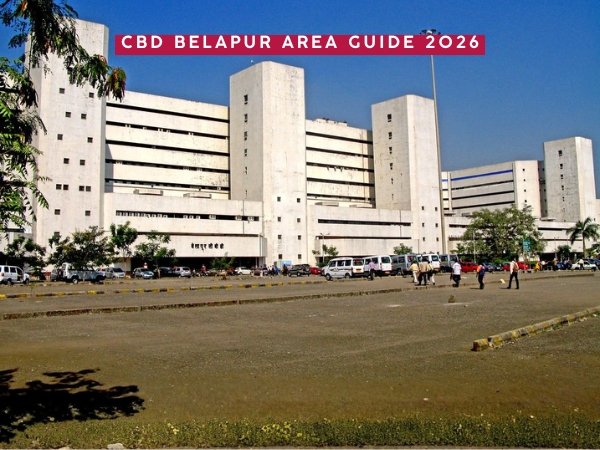
CBD Belapur gets driven through far more than it gets stopped in — most people know it as the node with the NMMC headquarters and the railway junction, and move on toward Kharghar or Nerul. That’s a mistake. It’s Navi Mumbai’s actual administrative core, it has the oldest surviving historical structure in the entire city, and it’s quietly one of the better-value nodes if you know which sectors to look at.
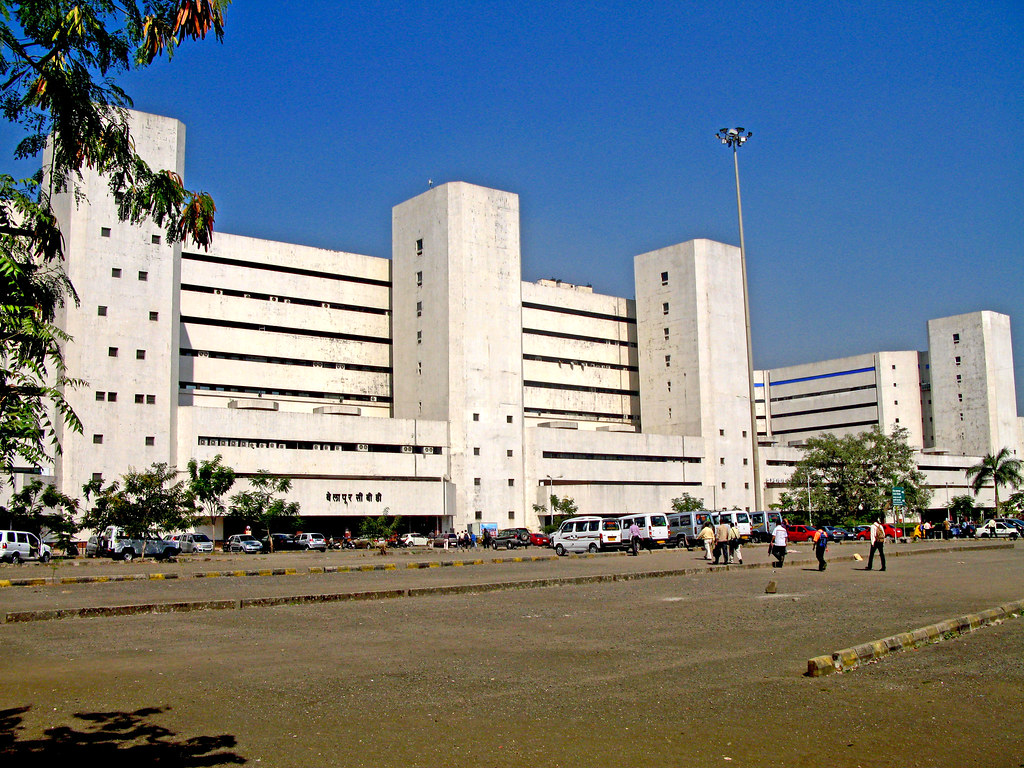
CIDCO designed CBD Belapur in the 1970s as Navi Mumbai’s Central Business District — the name isn’t marketing, it’s literal. It’s home to the Navi Mumbai Municipal Corporation headquarters, CIDCO Bhavan (Sector 11), the Navi Mumbai Police Commissionerate, and a cluster of central and state government offices. If you’ve ever had to deal with NMMC paperwork, property registration, or a police matter in Navi Mumbai, there’s a decent chance you’ve already been here.
It spans 11 sectors across roughly 500 hectares, with a deliberate mix of high-rise office towers, government complexes, and residential development — planned density rather than organic sprawl, which shows in how much greener it feels than you’d expect from a business district.
CBD Belapur’s pricing varies more by sector than most Navi Mumbai nodes, because you’re dealing with a genuine mix of old CIDCO-allotted housing, newer premium towers, and commercial-adjacent stock.
| Sector | Character | Price range (per sq ft) |
|---|---|---|
| Sector 1, 1A | Established residential, close to MGM Hospital | ₹14,000–15,000 |
| Sector 5 | Premium new development | ₹2.5–4.8 Cr for full units (Godrej Varanya and similar) |
| Sector 8, 8A, 8B | Artist’s Village and surrounding low-rise | Mixed — heritage low-rise, not comparable per-sqft |
| Sector 9N | Family-oriented, mixed infrastructure quality | ₹14,000–18,000 |
| Sector 11 | Administrative core, CIDCO Bhavan | Primarily commercial |
| General node average | — | ~₹25,650/sq ft, trending up ~18.5% YoY |
Rental range across the node runs roughly ₹14,000–87,000/month depending on unit size and sector — a wider spread than most Navi Mumbai nodes, again because of the housing-stock mix.
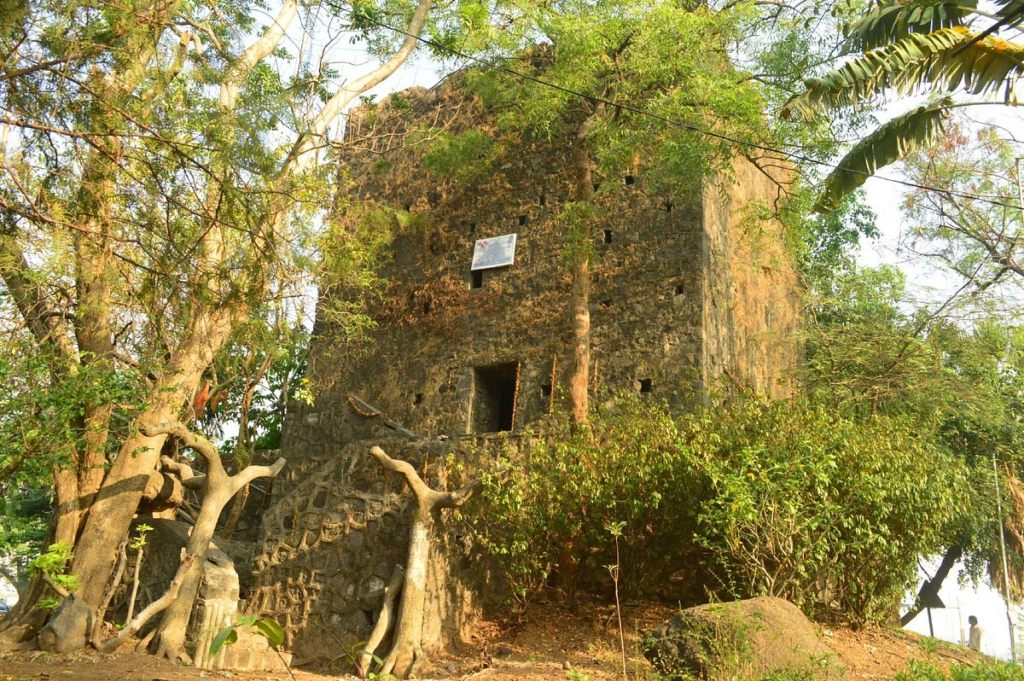
Sitting on a hillock in Sector 32, within the Parsik Hill range, Belapur Fort predates Navi Mumbai itself by roughly four centuries. Built by the Siddis of Janjira in the late 1500s to control the mouth of Panvel Creek, it was later taken by the Portuguese in 1682, then recaptured by the Marathas under Chimaji Appa in 1733 — the “Belapur” name itself reportedly traces to a vow he made involving beli leaves at a nearby temple after the victory.
It’s now partially ruined and CIDCO-maintained, but bastions, water wells, and elevated platforms still survive. It’s a 10–15 minute auto ride from Belapur CBD railway station, and honestly worth the detour if you’ve never been — it’s one of the few physical reminders that this stretch of coast had a history well before CIDCO’s master plan arrived.
CBD Belapur has more usable green space than its “business district” label suggests — CIDCO built in a deliberate hierarchy of parks when it planned the node in the 1970s:
For cafes, Brew House and Communion — both in CBD Belapur — are already covered in our cafes guide and remain the two most worth knowing about in this node specifically.
CBD Belapur has a denser concentration of established schools than most Navi Mumbai nodes: DY Patil, Amity International, and VIBGYOR all have a presence here, alongside Bharati Vidyapeeth College of Engineering. For healthcare, MGM Hospital, Acharya Shri Nanesh Hospital, and Dr. Jairaj’s Hospital cover most day-to-day needs, with MITR and Seawoods Multispeciality hospitals a short drive away in Seawoods.
CBD Belapur’s reputation as “the node with the government offices” undersells it. It’s got the deepest historical layer of any node in Navi Mumbai, a genuinely well-planned green-space hierarchy, strong schools, and Palm Beach Road running straight through it — all at pricing that, sector for sector, still sits below Vashi and premium Kharghar. It’s not the flashiest choice, but it might be the most underrated one.
Read Next: Vashi Area Guide · Kharghar Sectors Compared · Best Cafes in Navi Mumbai
Explore More NM: Atal Setu Toll & Directions Guide · Best Areas in Navi Mumbai · NRI Guide to Navi Mumbai